We did it, boys. We're on blog entry #8. The last one. Here's where we reflect upon things. Like a mirror. Scarlet Letter was a book. It had a plot and characters. It included an exposition, rising action, a climax, falling action, and a conclusion. Just like many other books. Scarlet Letter was about a Letter that was Scarlet. Not to be confused with Scarlett Johannson, which is apparently what most people search up when typing the word "Scarlet" into Google. The Scarlet Letter grew up in a poor family of 8. He had 3 older brothers, and two older sisters. Yes, he was the runt of the family, but he had a destiny. A destiny none could take from him.
*End Preview*
Read the rest of the story for the low price of $29.99!
Thursday, May 7, 2015

Wednesday, May 6, 2015
Emily: Blogging Worries
 |
| From: hmhkids.tumblr.com |
Final Reflection
Text: The Scarlet Letter by Nathaniel Hawthorne and Lolita by Vladimir Nabokov
Lens: Feminist
Upon hearing that we were going to be blogging about books, I worried. My main worry was that I am a binge reader. There is no way that I would be able to write one blog post at the beginning, one in the middle and one at the end. Thankfully, I didn’t have to do that. Actually, this was my favorite project for AP English Literature. The blogging platform allowed me to exhibit my strengths and worked with my busy schedule as I could blog anytime I wanted to.
My second worry was about critical lenses. I had a difficult time incorporating a lens into my previous project, but this time I chose a more personal lens, feminism, which gave me a larger pool of knowledge to draw from. While I read the book I was able to pull out significant pieces of evidence about feminism, I marked specific places that I used later for my close reading articles. However, looking through the feminist lens, I missed the underlying religious view of the Puritans in The Scarlet Letter and the historical context of Lolita (however, I wouldn’t have focused on it anyways, since it’s not my main interest).
 |
| From: EmilaleyHalemily |
I also reacted to the the blogging platform. While I still do not like Blogger, there is no homepage and each individual person cannot have a single blog, I have come to terms with it. Also, Haley and I decided to make our own blog, on Weebly (which we like much better), where we put what we really think about The Scarlet Letter and Lolita (and other book related items). View our website here: http://emilaleyhalemily.weebly.com/
I have enjoyed writing these blog posts and have realized that the smaller pieces of blogging fits better into my system than large projects. I have a deeper understanding of other books as well, as I've compared books to The Scarlet Letter and Lolita.
I have enjoyed writing these blog posts and have realized that the smaller pieces of blogging fits better into my system than large projects. I have a deeper understanding of other books as well, as I've compared books to The Scarlet Letter and Lolita.
Here are my summaries for the two books.
Scarlet Letter:
 |
| From: Rinkworks.com |
After Hester Prynne has a child, without her seeing her husband for years, she is convicted of adultery and forced to wear a scarlet letter “A” for the rest of her life. Outcasted from the rest of society, Hester and her daughter, Pearl keep to themselves. When Hester sees that Chillingworth is slowly making Dimmesdale feel more guilty, Hester intervenes, pleading with Chillingworth to stop. After Chillingworth refuses, wanting his revenge, Hester asks Dimmesdale to run away with her. Dimmesdale commits suicide, linked to Hester by Pearl. Chillingworth dies soon after.
Lolita:
 |
| From: wordpress.com |
Following a failed marriage with Valeria, Humbert Humbert attempts to visit a friend, but is instead forced to stay with Mrs. Haze. Upon looking on Mrs. Haze’s daughter, Dolores, whom he calls Lolita, he immediately falls for her. Humbert is given an ultimatum from Mrs. Haze -- marry her or get out. Humbert rather stay close to Lolita than leave and chooses to marry Mrs. Haze, who dies soon after in a car crash. Humbert takes Lolita on a road trip, where Humbert sexually abuses Lolita (or in another understanding, Lolita becomes a lover). Lolita eventually finds a way to run away with Clare Quilty, then marries another and dies during childbirth.
I hope you enjoyed reading my blog posts as much as I've enjoyed writing them! ~Emily
Entry 7
Chapters: Rest
Lens: Reader Response
Prompt: Close Reading
To finish things off, I decided to change things up. We haven't read something at point blank in a while.
"She had wandered, without rule or guidance, in a moral wilderness; as vast, as intricate and shadowy, as the untamed forest, amid the gloom of which they were now holding a colloquy that was to decide their fate." (Chapter 18. Shmoop doesn't give page numbers).
Upon first glance, this seems like an extremely important quote. But upon closer inspection, it becomes blurry. When back away to a reasonable distance once more, things become much clearer. Both literally and figuratively. You now know; close reading is extremely harsh on the eyes. But, did you know that normal reading is as well? It's true. No one wants to read this particular quote. It uses difficult words, such as "that," and "was." It's so much easier to not read anything that it's amazing that anyone ever reads at all.
Going back to the quote, we see Hester lost in a moral wilderness. This wilderness is vast, intricate, and shadowy. It is also untamed. There's a lot of gloom, which seems to be a part of Hester's fate. Sadly, a moose was not part of her fate as well. An HD moose, to be exact. She would have enjoyed that.

Lens: Reader Response
Prompt: Close Reading
To finish things off, I decided to change things up. We haven't read something at point blank in a while.
"She had wandered, without rule or guidance, in a moral wilderness; as vast, as intricate and shadowy, as the untamed forest, amid the gloom of which they were now holding a colloquy that was to decide their fate." (Chapter 18. Shmoop doesn't give page numbers).
Upon first glance, this seems like an extremely important quote. But upon closer inspection, it becomes blurry. When back away to a reasonable distance once more, things become much clearer. Both literally and figuratively. You now know; close reading is extremely harsh on the eyes. But, did you know that normal reading is as well? It's true. No one wants to read this particular quote. It uses difficult words, such as "that," and "was." It's so much easier to not read anything that it's amazing that anyone ever reads at all.
Going back to the quote, we see Hester lost in a moral wilderness. This wilderness is vast, intricate, and shadowy. It is also untamed. There's a lot of gloom, which seems to be a part of Hester's fate. Sadly, a moose was not part of her fate as well. An HD moose, to be exact. She would have enjoyed that.
Entry 6
Chapters: 13-16
Lens: Reader Response
Prompt: Responding and Reflecting
Whoa. I'm on entry 6. I'm almost there. I can see the light.
In chapters 13-16, sparknotes is giving me Crucial MX200 SSD ads. I think that maybe it's reflective of my browsing history. I wonder, if they had the interwebs back in Puritan time, would the story have gone anywhere close to the same? I'm thinking that the reverend person would have known what Hester's husband looked like from Facebook or something. Or maybe not.
So in the actual chapters 13-16... it's honestly more of the same. The characters have kind of settled in by this point. We know pretty much what's expected of them. Evil Chillingsworth is evil. Pearl is relatively typical of a girl who was only raised by one parent. Hester is relatively typical of a single parent. And reverend man is guilty, because reasons. Meanwhile, spooky scary skeletons continue to send shivers down spines.

Lens: Reader Response
Prompt: Responding and Reflecting
Whoa. I'm on entry 6. I'm almost there. I can see the light.
In chapters 13-16, sparknotes is giving me Crucial MX200 SSD ads. I think that maybe it's reflective of my browsing history. I wonder, if they had the interwebs back in Puritan time, would the story have gone anywhere close to the same? I'm thinking that the reverend person would have known what Hester's husband looked like from Facebook or something. Or maybe not.
So in the actual chapters 13-16... it's honestly more of the same. The characters have kind of settled in by this point. We know pretty much what's expected of them. Evil Chillingsworth is evil. Pearl is relatively typical of a girl who was only raised by one parent. Hester is relatively typical of a single parent. And reverend man is guilty, because reasons. Meanwhile, spooky scary skeletons continue to send shivers down spines.
Entry 3: GOTY Edition
Chapters: 5-8
Prompt: Critical Lens Expert
Lens: Reader Response
Not sure where the original Entry 3 went, but it seems to have disappeared. Guess I'm rewriting it. This new version now includes the original entry, and all 4 DLC packs!
Original: So I was going to do the Critical Lens Expert prompt for this entry, because it is required. I began reading one of the "expert analyses" on the Scarlet Letter, when I realized that I was literally going to be analyzing an analysis about a book that analyzed a society from several hundreds of years ago. Nope. Not gonna happen.
UNTIL IT ACTUALLY DOES!!!!
In the all new DLC Pack: Analyzing the analysis of an analysis, you get the full features of all your favorite analyses. Starring Will Feral, Nicholas Cage, and Batman.
According to the expert, Chillingsworth is bad, mmkay? Hester's good, mmkay? Pearl is good, mmkay? Reverand man is good, mmkay? Puritan society sucked, mmkay?
I don't disagree. Except on Wednesdays. It just so happens to be a Wednesday. Hester sucks. Pearl's a jerk. Reverand person is the worst of them all. Chillingsworth is da bomb diggity.
Can we do a duck? I want to do a duck instead of a moose. Sorry, moose.

Prompt: Critical Lens Expert
Lens: Reader Response
Not sure where the original Entry 3 went, but it seems to have disappeared. Guess I'm rewriting it. This new version now includes the original entry, and all 4 DLC packs!
Original: So I was going to do the Critical Lens Expert prompt for this entry, because it is required. I began reading one of the "expert analyses" on the Scarlet Letter, when I realized that I was literally going to be analyzing an analysis about a book that analyzed a society from several hundreds of years ago. Nope. Not gonna happen.
UNTIL IT ACTUALLY DOES!!!!
In the all new DLC Pack: Analyzing the analysis of an analysis, you get the full features of all your favorite analyses. Starring Will Feral, Nicholas Cage, and Batman.
According to the expert, Chillingsworth is bad, mmkay? Hester's good, mmkay? Pearl is good, mmkay? Reverand man is good, mmkay? Puritan society sucked, mmkay?
I don't disagree. Except on Wednesdays. It just so happens to be a Wednesday. Hester sucks. Pearl's a jerk. Reverand person is the worst of them all. Chillingsworth is da bomb diggity.
Can we do a duck? I want to do a duck instead of a moose. Sorry, moose.
Entry 5
Text: Scarlet Letter
Chapters: 9-12
Lens: Reader Response
Prompt: Responding and Reflecting
Yup. Doin another responding and reflecting prompt. Cuz it's so much easier when the prompt aligns with the lens. Chapter 9-12. Let's do dis.
Chapters 9-12 seem to be pretty focused on Chillingsworth, so I guess we'll focus on him as well. Chillingsworth is Hester's husband, whom she cheated on. He was a pretty cool guy back in the day. Learned medicine. Hung out with Native Americans. Liked to read the occasional book. Pretty... chill *chuckle*. Well after he heard that Hester cheated on him, he came to the town she lived in, and decided to try and figure out who it was with so he could get revenge. He eventually finds the right person... the other reverend guy. From there, he decides to take out his revenge on him by asking him questions of morality or something. Strange, if you ask me. Nowadays, guys will just fight the guy they found their wife cheating with. But I digress. Hmm. What does digress even mean? I'll go google it.
But the dictionary says that digress, a verb, means "to stray off of something, to wander from a path, or to turn aside, etc.". So when I say "blah blah blah, but I digress", it's like I'm saying "blah blah blah, but I stray off topic."
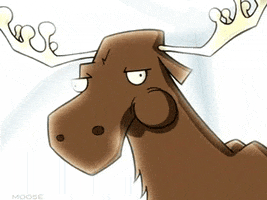
Yeah, that. Anyway, Chillingsworth went from a chill guy to a cold guy. As in cold hearted. Hehe. The puns are strong with this one. So yeah. Moral of the story is that if your wife cheats on you, don't be a jerk about it. Just fight it out, then leave it be. Dragging things on isn't a good idea. Cuz then you end up looking like a moose.
Chapters: 9-12
Lens: Reader Response
Prompt: Responding and Reflecting
Yup. Doin another responding and reflecting prompt. Cuz it's so much easier when the prompt aligns with the lens. Chapter 9-12. Let's do dis.
Chapters 9-12 seem to be pretty focused on Chillingsworth, so I guess we'll focus on him as well. Chillingsworth is Hester's husband, whom she cheated on. He was a pretty cool guy back in the day. Learned medicine. Hung out with Native Americans. Liked to read the occasional book. Pretty... chill *chuckle*. Well after he heard that Hester cheated on him, he came to the town she lived in, and decided to try and figure out who it was with so he could get revenge. He eventually finds the right person... the other reverend guy. From there, he decides to take out his revenge on him by asking him questions of morality or something. Strange, if you ask me. Nowadays, guys will just fight the guy they found their wife cheating with. But I digress. Hmm. What does digress even mean? I'll go google it.
But the dictionary says that digress, a verb, means "to stray off of something, to wander from a path, or to turn aside, etc.". So when I say "blah blah blah, but I digress", it's like I'm saying "blah blah blah, but I stray off topic."
Yeah, that. Anyway, Chillingsworth went from a chill guy to a cold guy. As in cold hearted. Hehe. The puns are strong with this one. So yeah. Moral of the story is that if your wife cheats on you, don't be a jerk about it. Just fight it out, then leave it be. Dragging things on isn't a good idea. Cuz then you end up looking like a moose.
Emily: The Age Gap. Twilight and Lolita
Responding and Reflecting
Text: Lolita by Vladimir Nabokov
Lens: Feminist
 |
| From: Goodreads.com |
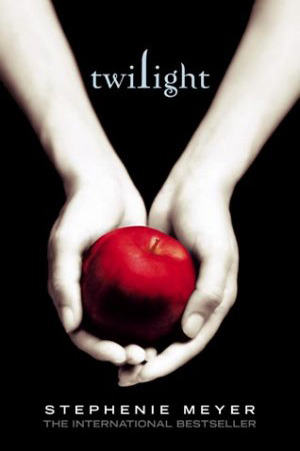
What does Twilight and Lolita have in common?
The age gap between the main characters.
The age gap between the main characters.
Humbert Humbert is about 36 when he meets Lolita (age 12) for the first time. This is a 24 year difference.
Edward Cullen is 104 when he meets Bella Swan, a junior in high school, at age 17. This is a 87 year difference.
If you think about it, which is more disturbing: a 24 year difference or a 87 year difference?
One can argue that Edward is really 104 trapped forever in a 17 year old body and that makes it all better. It doesn’t matter that he’s 104 because he is handsome and young.
If you think about it, which is more disturbing: a 24 year difference or a 87 year difference?
One can argue that Edward is really 104 trapped forever in a 17 year old body and that makes it all better. It doesn’t matter that he’s 104 because he is handsome and young.
But it does, possibly because the perspective is different. Bella falls in love with a hot 17 year old boy, who is not just a brooding person, but a 104 man with an ideological mindset from the early 1920s. Some of Edward’s ways are repeatedly said to be old-fashioned.
How much different is that from Lolita and Humbert’s dilemma. Humbert’s ideological differences make the age gap between the two clearer. “Not only had Lo no eye for scenery but she furiously resented my calling her attention to this or that enchanting detail of landscape” (152). The extreme difference of ages lead to a difference in interests. Lolita’s age group has no patience for landscapes, while older people, Humbert’s age have more of an appreciation for it.
This comparison came up when I was attempting to come up with books with couples with extreme age differences. My first book I thought of: Twilight.
Also:
How much different is that from Lolita and Humbert’s dilemma. Humbert’s ideological differences make the age gap between the two clearer. “Not only had Lo no eye for scenery but she furiously resented my calling her attention to this or that enchanting detail of landscape” (152). The extreme difference of ages lead to a difference in interests. Lolita’s age group has no patience for landscapes, while older people, Humbert’s age have more of an appreciation for it.
This comparison came up when I was attempting to come up with books with couples with extreme age differences. My first book I thought of: Twilight.
Also:
Book
|
Author
|
Female Character
|
Age
|
Male Character
|
Age
|
Difference
|
Lolita
|
Vladimir Nabokov
|
Lolita
|
12
|
Humbert
|
36
|
24
|
Twilight
|
Stephenie Meyer
|
Bella Swan
|
17
|
Edward Cullen
|
104
|
87
|
Iron King
|
Julie Kagawa
|
Meghan Chase
|
16
|
Ash or Puck
|
419
|
403
|
Sense and Sensibility
|
Jane Austen
|
Marianne
|
16
|
Willoughby
|
25
|
9
|
Sense and Sensibility
|
Jane Austen
|
Marianne
|
16
|
Colonel Brandon
|
35
|
19
|
Sense and Sensibility
|
Jane Austen
|
Eliza
|
15
|
Willoughby
|
25
|
10
|
Pride and Prejudice
|
Jane Austen
|
Elizabeth Bennet
|
20
|
Mr. Darcy
|
28
|
8
|
Emma
|
Jane Austen
|
Emma
|
20
|
George Knightley
|
37
|
17
|
Percy Jackson
|
Rick Riordan
|
Sally (Percy's Mother)
|
35
|
Poseidon
|
2715
|
2680
|
Shadow and Bone
|
Leigh Bardugo
|
Alina Starkov
|
17
|
The Darkling
|
120
|
103
|
All of my books are fantasy based, except Jane Austen’s books which take place in a time where age differences are acceptable and normal.
I thought about it, and I couldn't think of any books with females that are way older than the male. It's more socially correct for a couple to have an older male than female, but not too old.
 |
| From: Goodreads.com |
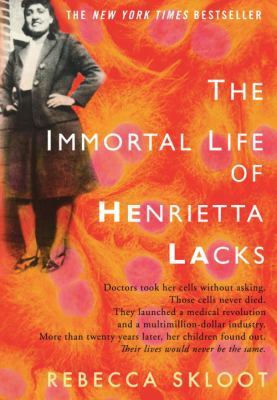
Then later, I read The Immortal Life of Henrietta Lacks by Rebecca Skloot. I compared my understanding of Lolita and Elizabeth Patnoe’s article Lolita Misrepresented, Lolita Reclaimed: Disclosing the Doubles (Critical Lens Expert article) with Deborah Lack’s own childhood. Deborah is Henrietta’s daughter, but when Henrietta died from cancer, Deborah and her siblings were split up among family members. Deborah’s adopted father, Galen, sexually abused her, “Deborah would sit in the back, pressed against the car door to get as far from Galen as she could... After the first time he touched her, Deborah swore she’d never wear another pair of jeans with snaps instead of zippers again. But zippers didn’t stop him; neither did tight belts. So Deborah would just stare out the window, praying for Day to drive faster as she pushed Galen’s hands away again and again” (Skloot 113). Although Deborah was abused by her adoptive father, he also “showered her with attention and gifts. He bought her pretty clothes, and took her for ice cream” (Skloot 114). Deborah’s story is similar to Lolita’s, Lolita also was given gifts in return for some sexually abusive action. “I also had her dance for me with the promise of some treat or gift” (230). Through The Immortal Life of Henrietta Lacks I realized that Lolita’s story is one that could happen and that has happened.
But going back to Twilight, at some point Twilight was extremely popular, but there were no complaints about the age difference. It was listed as a frequently challenged book in 2009 and 2010, but not for the age difference (most challenges were for religious viewpoint and the sexual content in Breaking Dawn). (http://www.ala.org/bbooks/frequentlychallengedbooks/top10)
Lolita however, was banned under the reason that it was obscene and not appropriate for younger students. (http://www.ala.org/bbooks/frequentlychallengedbooks/classics/reasons).
Lolita however, was banned under the reason that it was obscene and not appropriate for younger students. (http://www.ala.org/bbooks/frequentlychallengedbooks/classics/reasons).
Why is Twilight, where there is a 87 year age difference, more socially acceptable than Lolita?
My answer: perspective. Lolita is told by a male perspective, the older perspective. Twilight is not taken as seriously because it’s a Young Adult book and it has magical creatures in it.
Subscribe to:
Posts (Atom)